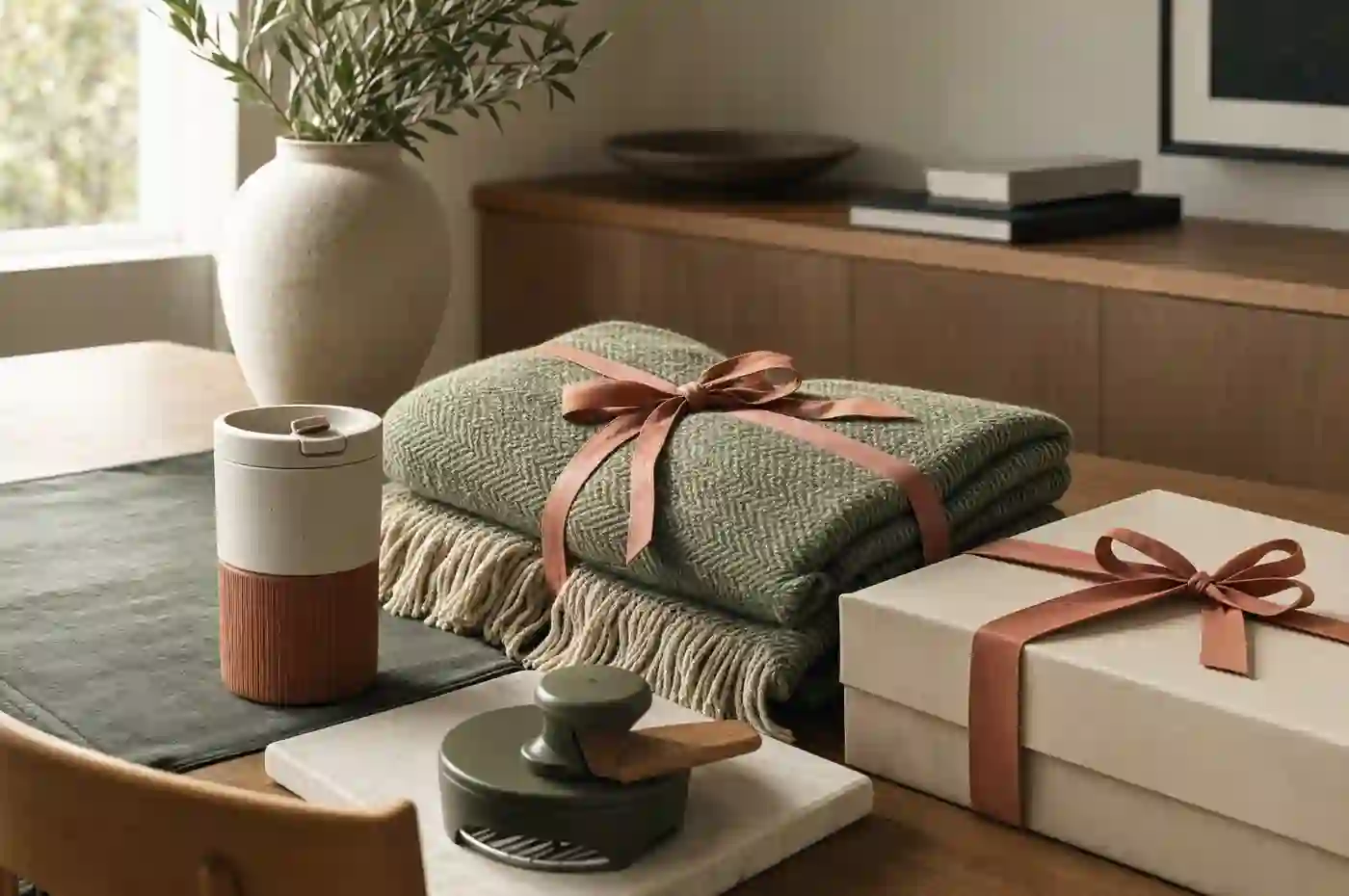
It was lovely of someone to think of us, of course. But a few weeks later, the gift is sitting in a cupboard, waiting for a purpose.
Choosing something useful sounds simple. The tricky part is finding a practical gift suited to the person receiving it.
A thoughtful gift doesn't need to be expensive, unusual or beautifully wrapped. It needs to show you've paid attention.
And sometimes, the best place to start is with something small you've noticed about someone's everyday life.
Think about what they already love doing
Before scrolling through endless gift guides, think about the person you're shopping for.
Do they spend their weekends cooking? Are they always carrying coffee to work? Do they enjoy reading, gardening or keeping their home organised?
Their habits offer useful clues.
For someone who loves cooking, consider accessories suited to the meals they enjoy preparing. For an enthusiastic gardener, an everyday gardening essential suited to their setup might be welcome. For someone who spends long hours at a desk, think about small comforts or useful accessories for their workspace.
The goal isn't to buy something related to every interest they have. It's to notice one part of their routine and choose something suited to it.
Sometimes, a better version of something familiar is enough
Think about the things someone reaches for every day.
A travel mug they take to work. A well-used kitchen towel. A notebook they keep beside their desk.
Replacing a worn everyday item with a well-chosen alternative makes a practical gift feel personal.
But don't assume every old possession needs replacing. Some people love their favourite mug precisely because they've owned it for years.
Pay attention to what they mention wanting to replace or improve. The best clues often come from ordinary conversations.
Useful gifts for the home
Home gifts work best when you understand someone's space and preferences.
A person who loves quiet evenings at home might appreciate a soft throw, a candle suited to their preferences or a small everyday comfort.
Someone who enjoys cooking might prefer a useful kitchen accessory over another decorative item.
For people who appreciate an organised home, consider something suited to an existing routine rather than buying more containers without knowing what they need.
Be careful with larger household purchases. Storage solutions, kitchen appliances and decorative pieces depend on available space, dimensions and personal taste.
If you're unsure, choose something less dependent on size or style.
What about people who don't want more stuff?
Some people prefer keeping their homes simple. For them, another object might feel less appealing, even if it's useful.
This is where consumable gifts are worth considering.
A favourite tea, good coffee, cooking ingredients or a small collection of treats suits someone who enjoys those things.
Experiences also offer an alternative to physical gifts. A café voucher, a class related to their interests or an outing together might be more appropriate.
You don't need to make every gift permanent. Something enjoyable for a single afternoon still holds meaning.
Practical gifts for coworkers and casual gift exchanges
Shopping for a coworker or someone you don't know especially well takes a different approach.
You might not know their home decor preferences, favourite hobbies or personal routines. Choose flexible gifts with broad everyday uses.
Stationery, small desk accessories or consumable treats are possible starting points, depending on the recipient and workplace.
For Secret Santa, Kris Kringle or office Christmas gift exchanges, check the spending limit before shopping.
Avoid overly personal items, strong fragrances or gifts requiring someone to own a particular device unless you know their preferences.
A modest, well-considered gift often feels more appropriate than an elaborate one.
Give the gift a personal touch
Practical doesn't have to mean impersonal.
Sometimes, the smallest detail makes the difference.
Choose a colour they love. Pick a treat they've mentioned enjoying. Include a handwritten note explaining why you thought of them.
For example, a kitchen gift for someone who enjoys weekend baking feels more thoughtful with a short message about the cakes they always bring to family gatherings.
You don't need an elaborate speech. A few genuine words are enough.
Think about how they'll use it before buying
If you're stuck between several gift ideas, ask yourself a few simple questions.
- Do I know why this person would enjoy or use the gift?
- Does it suit their daily life, interests or available space?
- Is it something they already own in abundance?
- Will it require additional purchases or maintenance?
- Am I choosing it for them, or because it looks appealing to me?
You don't need a perfect answer to every question. But if you're struggling to picture the recipient using the gift, it's worth reconsidering.
A meaningful gift doesn't need a big price tag
Thoughtfulness has more to do with attention than money.
A small gift chosen with someone's interests in mind often feels more personal than an expensive item picked at random.
And you don't need to keep searching until you find something nobody has ever seen before.
Useful, familiar things still make lovely gifts when they suit the recipient.
The next time you're shopping for a birthday, Christmas or a small thank-you, think about the person first.
What makes their day easier? What do they enjoy? What have they mentioned needing?
Start there.
The best gift isn't always the one receiving the biggest reaction when it's opened. Sometimes, it's the one someone keeps reaching for months later.